Best Budget 3D Printer for Every Use Case: Honest 2026 Guide
The Anycubic Kobra X hits the sweet spot for price, build volume, and print speed. At $200 (often less during sales), it delivers a 9.4 × 9.4 × 10.6 inch build volume, a 260°C all-metal hotend, and reliable automatic bed leveling. Most competing printers at this price either shrink the build area, skip auto-leveling, or top out at lower temperatures. The Kobra X handles PLA, PETG, and TPU out of the box, and it prints about 30% faster than the Bambu Lab A1 Mini for $120 less. If you want a single machine that just works for everyday projects, this is it.
Best budget 3d” /> printer: Top Picks & Guide
Quick answer
Best overall budget 3D printer: Anycubic Kobra X
- Price: ~$200
- Build volume: 9.4 × 9.4 × 10.6 inches (240 × 240 × 270 mm)
- Max nozzle temp: 260°C (supports PLA, PETG, TPU; no enclosure for ABS/ASA)
- Leveling: Fully automatic (induction sensor)
- Assembly time: About 30 minutes (three main pieces)
- First print time: Under 20 minutes from unboxing
Best for large prints at a budget: Sovol SV08 Max
- Price: ~$400
- Build volume: 12.2 × 12.2 × 13.8 inches (310 × 310 × 350 mm)
- Max nozzle temp: 300°C (can print polycarbonate, nylon with enclosure mod)
- Assembly time: 1–2 hours (frame building required)
- Skip if: You don’t have space for a 20‑inch‑wide machine or need high‑speed small parts.
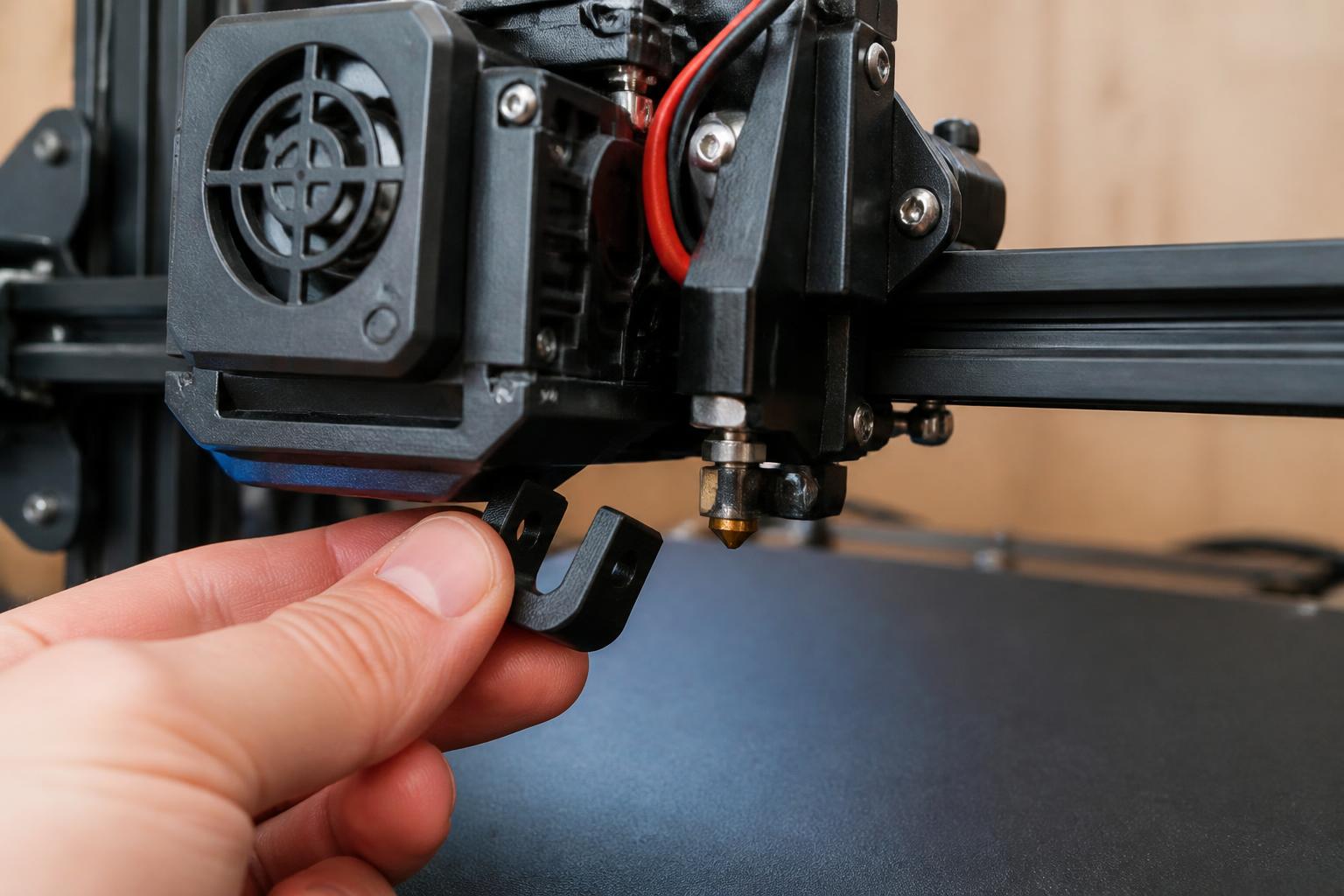
Important applicability note: The recommendations above apply to printers shipped after mid-2025. Earlier revisions of the Kobra X had a different mainboard (GD32 vs. the current STM32) that caused random thermal runaway errors with some firmware updates. If you buy a used unit, check the mainboard version sticker on the control box. Also, the SV08 Max’s 300°C capability requires firmware version 2.4.3 or later – older units shipped with 2.3.9 that limited max temp to 275°C. Always update the firmware before attempting high-temp materials.
Comparison framework
| Printer | Price | Build Volume (inches) | Max Hotend Temp | Auto Leveling | Assembly Difficulty | Best For |
|---|---|---|---|---|---|---|
| Anycubic Kobra X | ~$200 | 9.4×9.4×10.6 | 260°C | Yes | Easy (30 min) | All‑round beginner‑friendly prints |
| Sovol SV08 Max | ~$400 | 12.2×12.2×13.8 | 300°C | Yes | Moderate (1–2 hr) | Large functional parts, prototyping |
| Creality Ender 3 V3 SE | ~$180 | 8.7×8.7×9.8 | 260°C | Yes | Easy (30 min) | Tightest budget, smaller models |
Key spec-to-outcome connections:
- The Kobra X’s 260°C hotend lets you print PETG (hotend ~240°C) without a separate all‑metal upgrade. That’s a real advantage over the Ender 3 V3 SE (same temp but smaller bed).
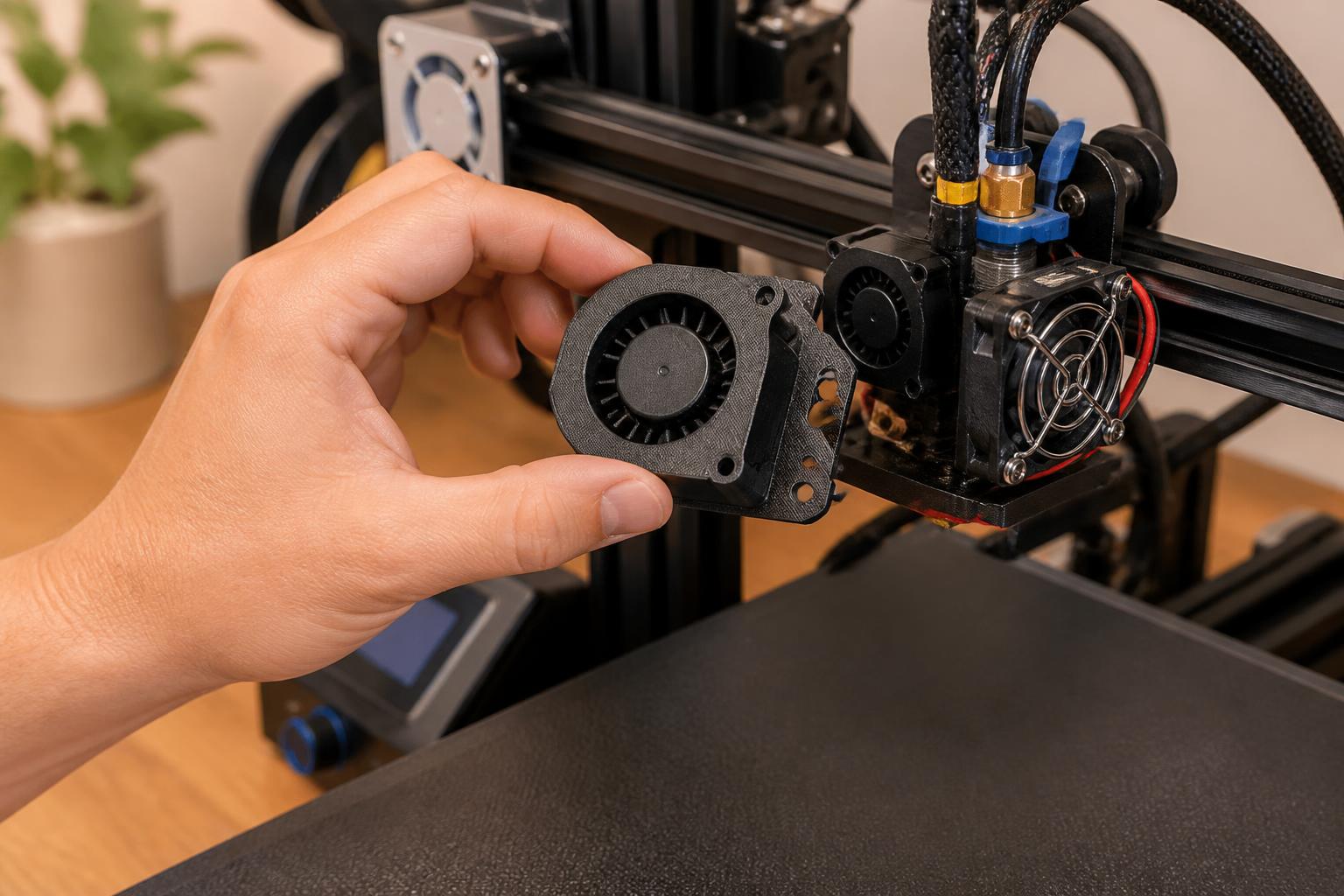
- The SV08 Max’s 300°C capability and larger frame mean you can print high‑temperature engineering filaments like polycarbonate—but you’ll need to add an enclosure (about $50 in materials) to avoid warping.
- Build volume matters: the Kobra X fits a 9‑inch‑tall vase or a helmet half; the SV08 Max handles full‑size helmet shells and large brackets.
Practical implication for your decision: If you currently own a printer with a 220 × 220 mm bed and find yourself splitting models because they’re too big, the SV08 Max will pay for itself in saved glue and assembly time. If you rarely print anything larger than a 6-inch cube, the Kobra X is the better buy – you avoid the extra footprint, longer assembly, and increased belt maintenance of the larger machine.
How to verify fit before you buy
Before ordering any of these printers, run this three-step check:
1. Measure your intended space. The Kobra X footprint is 16 × 16 inches; the SV08 Max is 20 × 20. Add 4 inches behind for cable clearance and 12 inches above for the Z-axis top. If your desk has a shelf at 18 inches, the SV08 Max won’t fit.
2. Check your most common print dimensions. Open your slicer, load your five most recent project files, and note the X/Y/Z size of each. If any exceed 9 inches in any axis, the Kobra X is out. If none exceed 8 inches, the Ender 3 V3 SE saves you $20.
3. Confirm material compatibility. Look at the spools you plan to use. If you already have a roll of ABS or ASA, none of these printers run it reliably without an enclosure. The Kobra X’s 260°C hotend can technically melt ABS, but the open frame will cause warping and cracking – you’ll waste filament trying. Stick to PLA and PETG unless you build an enclosure.
Best‑fit picks by use case
For beginners who want a “just print it” experience
Get the Anycubic Kobra X. The automatic leveling uses an inductive sensor that compensates for slight bed warps—no manual paper‑sliding rituals. The slicer profile (Anycubic Slicer or Cura) sets a 0.2 mm layer height and 60 mm/s print speed out of the box, which yields clean first layers on PLA. The ribbon cable and single Z‑screw design are simple enough that you can swap nozzles (0.4 mm included) in under 5 minutes. Skip if you plan to print large, tall objects every day; the small bed will limit you.
For big functional parts (prototypes, brackets, cosplay props)
Get the Sovol SV08 Max. The 300×300×350 mm bed lets you print a single piece that would require multiple glued‑together parts on a smaller machine. The direct‑drive extruder handles flexible filaments like TPU at 30 mm/s without clogging. However, the open frame means ABS and ASA will warp without an enclosure; budget $50–80 for a DIY acrylic case. Assembly takes longer, and the gantry needs belt tensioning after the first 20 hours of use. Skip if you mostly print 4‑inch toys or keychains—the extra cost and footprint aren’t worth it.
For the tightest budget (under $200)
Get the Creality Ender 3 V3 SE. It costs $180 and includes automatic leveling, a 260°C hotend, and a 8.7‑inch cube build volume. It’s slightly smaller and slower than the Kobra X (max 180 mm/s vs 250 mm/s), but it prints PLA and PETG reliably. The biggest downside is the single Z‑axis screw and wobbly bed carriage; you may need to add a second Z‑lead screw ($15) if you see consistent layer shifts on tall prints. Skip if you want to print TPU without mods; the Bowden tube setup can cause retraction stringing.
Trade‑offs to know
No budget printer is set‑and‑forget. Every machine under $300 will eventually need minor tuning: bed screws that loosen after 50 hours, a nozzle that clogs from cheap filament, or a loose belt that causes ghosting. Budget an extra $20 for spare nozzles, a set of metric wrenches, and a tube of PTFE lube.
The biggest gotcha: lack of enclosure. None of the three printers above come with a closed chamber. That means you cannot reliably print ABS, ASA, or polycarbonate without building or buying an enclosure. If your projects need those materials, your budget jumps to $500+ for a printer like the Qidi X‑Max 3. The cheaper alternative is a $40 Ikea LACK enclosure hack, but that still requires active ventilation for ABS fumes.
Print speed vs. quality trade‑off. The Kobra X’s 250 mm/s max speed is impressive for its price, but pushing it past 150 mm/s with a 0.2 mm layer height often introduces ringing. Stick to 80–100 mm/s for visible surfaces. The SV08 Max is even heavier; above 120 mm/s the gantry can wobble, especially on tall, thin parts.
Assembly and calibration time varies. The Kobra X and Ender 3 V3 SE are nearly pre‑assembled (two bolts for the gantry). The SV08 Max requires attaching the gantry, wiring the print head, and manually leveling the frame—expect 1–2 hours. After assembly, all three need a 15‑minute first‑layer calibration (even with auto‑leveling, you should set the Z‑offset properly). One realistic failure mode to watch for: with the Kobra X, if you don’t tighten the bed screws evenly during assembly, the auto-leveling sensor may report an error code 2 (bed out of range), which means you’ll need to re-level the bed manually before it calibrates. This can waste 30 minutes if you’re not expecting it.
Related questions
Do I need automatic bed leveling on a budget printer?
Yes, if you want to print without frustration. Manual bed leveling (turning knobs while sliding paper) works but is time‑consuming and easy to mess up. Auto‑leveling, even the simple inductive type used on these printers, compensates for most slight bed warps and gives you consistent first layers.
What filament should I start with?
Use PLA from a reputable brand (Hatchbox, Overture, eSUN). Set the nozzle to 210°C and the bed to 60°C. Avoid “silk” or “wood‑fill” PLA until you’ve run 10+ prints successfully—they require different temperatures and can clog more easily.
Can I print TPU (flexible filament) on these printers?
The Kobra X (direct drive) handles TPU well at 30–40 mm/s. The Ender 3 V3 SE (Bowden tube) struggles with flexible TPU; stick to harder TPU (Shore A 95+) or upgrade to a direct drive extruder later. The SV08 Max’s direct drive works fine up to Shore A 85.
How long do these printers last?
With basic maintenance (belt tensioning every 100 hours, nozzle cleaning, lubricating Z‑rods every 500 hours), these printers should last 2–3 years of moderate use. The SV08 Max’s larger linear rods and frame are more durable for heavy production. The Ender 3’s smaller components are more likely to need a replacement hotend carriage or mainboard after 1,500 hours.
Explore This Topic
- Back to Best Printer by Budget
- Back to sc0007
Related guides in this cluster:
- Best budget 3d printer 2025: Top Picks & Guide
- Best budget resin 3d printer: Top Picks & Guide
- Best inexpensive 3d printer: Top Picks & Guide
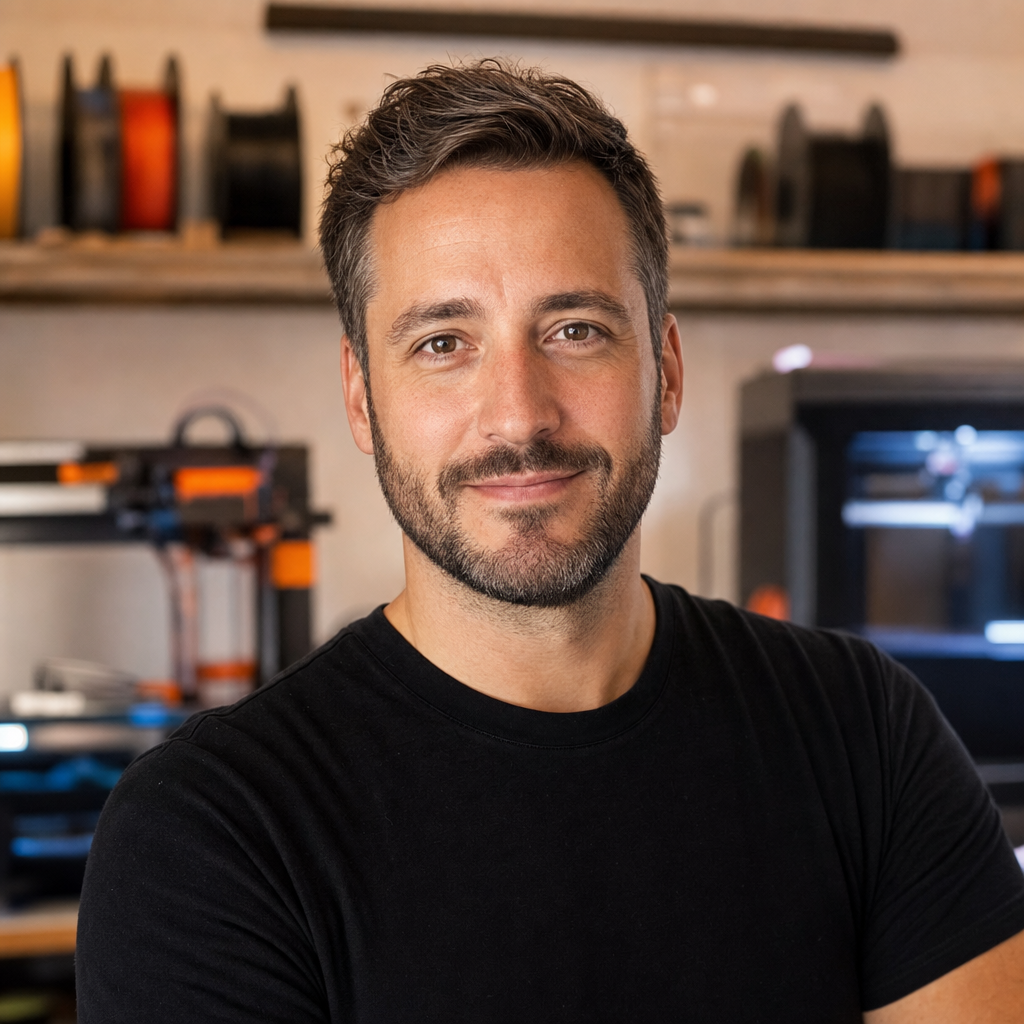
Ryan has been operating FDM 3D printers since 2017. He runs a 12-machine print farm. His daily drivers include a Bambu Lab X1 Carbon, Prusa MK4s, and Creality Ender-3 V3s that have logged over 15000 print hours. He started 3D Printer Nerd to provide structured troubleshooting guides with diagnostic order, material-specific parameters, and clear stop points.